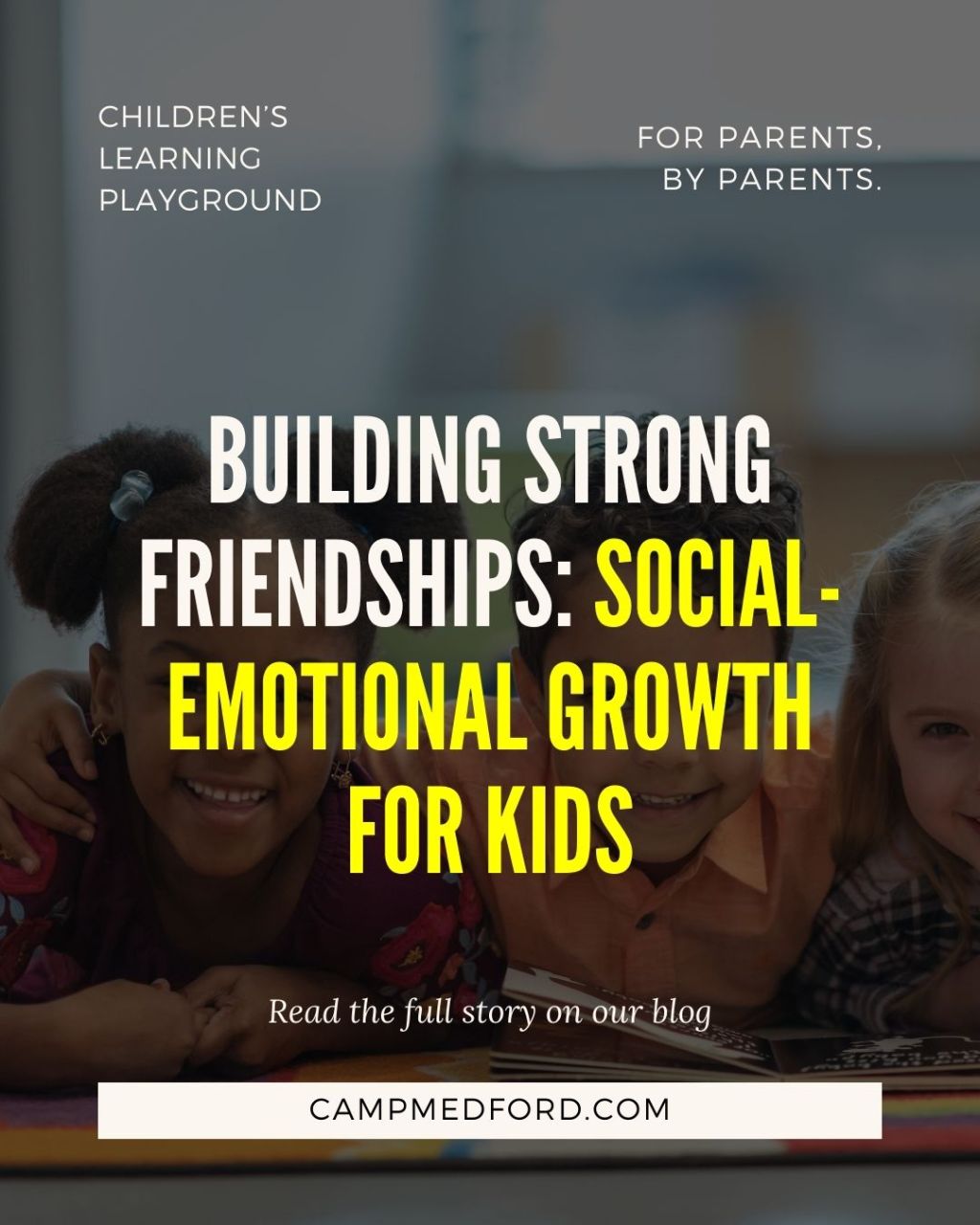
Building strong friendships is a key milestone in a child’s development, especially between the ages of 7 and 9. At this age, children are navigating the complexities of social interactions, learning how to communicate effectively, manage emotions, and collaborate with others. For parents of expat families and tourists in Barbados, fostering these friendships in a safe, supportive, and culturally immersive environment can make all the difference.
At Camp Medford, we recognize the importance of play-based learning in building emotional intelligence, empathy, and teamwork—skills that are essential for strong friendships. In this article, we’ll explore why friendships matter, how to nurture them, and the role that play-based learning plays in social-emotional growth.
1. Why Friendships Matter for Kids Ages 7-9
Friendships during the ages of 7 to 9 are not just about fun and play—they’re essential for emotional development. At this stage, children are learning how to express themselves, understand others’ feelings, and regulate their own emotions. Positive friendships provide the support and encouragement they need to build self-esteem and gain confidence in their social skills.
Social-Emotional Growth
Friendships help children develop emotional intelligence by teaching them empathy, conflict resolution, and how to manage their feelings in social settings. They begin to understand the concept of mutual respect and cooperation, learning to navigate the ups and downs that naturally come with friendships.
Self-Esteem and Confidence
Having friends allows children to feel valued and accepted. Positive interactions and shared experiences with peers can significantly boost a child’s confidence, as they begin to understand that they are worthy of connection and love.
Building Social Skills
Through play and social interaction, children learn essential skills such as communication, cooperation, and problem-solving. These skills are invaluable as they transition into more complex social situations, both in and outside of school.
2. The Role of Play-Based Learning in Social-Emotional Development
At Camp Medford, we believe that play is one of the most powerful tools for fostering friendship and emotional growth. Through structured play and creative activities, children can practice socializing, problem-solving, and teamwork in an environment that is both safe and engaging. Let’s take a closer look at how play-based learning supports social-emotional development.
Learning Through Play
Play allows children to practice the social skills they need to make and maintain friendships. Whether it’s a cooperative game, a role-playing activity, or a creative project, play-based learning encourages children to engage with others, work together, and build relationships. This hands-on approach provides a natural way for children to develop communication skills, share ideas, and express their feelings.
Collaboration and Teamwork
Many play-based activities involve working together toward a common goal, which helps children develop important skills like collaboration, negotiation, and compromise. For example, building a structure with blocks or participating in a group art project requires children to cooperate, listen to each other’s ideas, and work together as a team.
Safe and Supportive Environments
In order to foster healthy friendships, children need to feel emotionally safe. At Camp Medford, we create a supportive environment where kids can make mistakes, learn from them, and try again. This safe space allows them to develop confidence in their social interactions and practice handling social challenges without fear of judgment.
3. Helping Your Child Navigate Friendships (Ages 7-9)
As parents, you play a crucial role in helping your child build and maintain friendships. Here are some practical ways to support your child in navigating friendships during this important developmental stage.
Encouraging Empathy and Kindness
One of the most important aspects of friendship is empathy—the ability to understand and care about the feelings of others. Encourage your child to consider how their actions affect others and to respond with kindness and respect. Role-playing situations or talking about your own experiences can help children understand empathy in a real-world context.
Managing Conflicts
Friendships, while rewarding, also come with challenges. Learning how to manage conflicts is a critical skill for children at this age. Encourage your child to express their feelings calmly, listen to their friends’ perspectives, and work together to find solutions. Conflict resolution skills are vital for maintaining strong, healthy friendships.
Respecting Boundaries
As children grow, they begin to understand the importance of personal space and boundaries. Teach your child how to respect their friends’ boundaries and how to communicate their own needs and preferences. Healthy friendships are built on mutual respect, which includes understanding when to give others space and when to engage.
4. How Camp Medford and Camp Medford Support Social-Emotional Development
At Camp Medford, we recognize that children learn best in environments that are both engaging and supportive. Our play-based learning model is designed to foster social-emotional growth while also encouraging creativity and critical thinking.
Structured Social Play
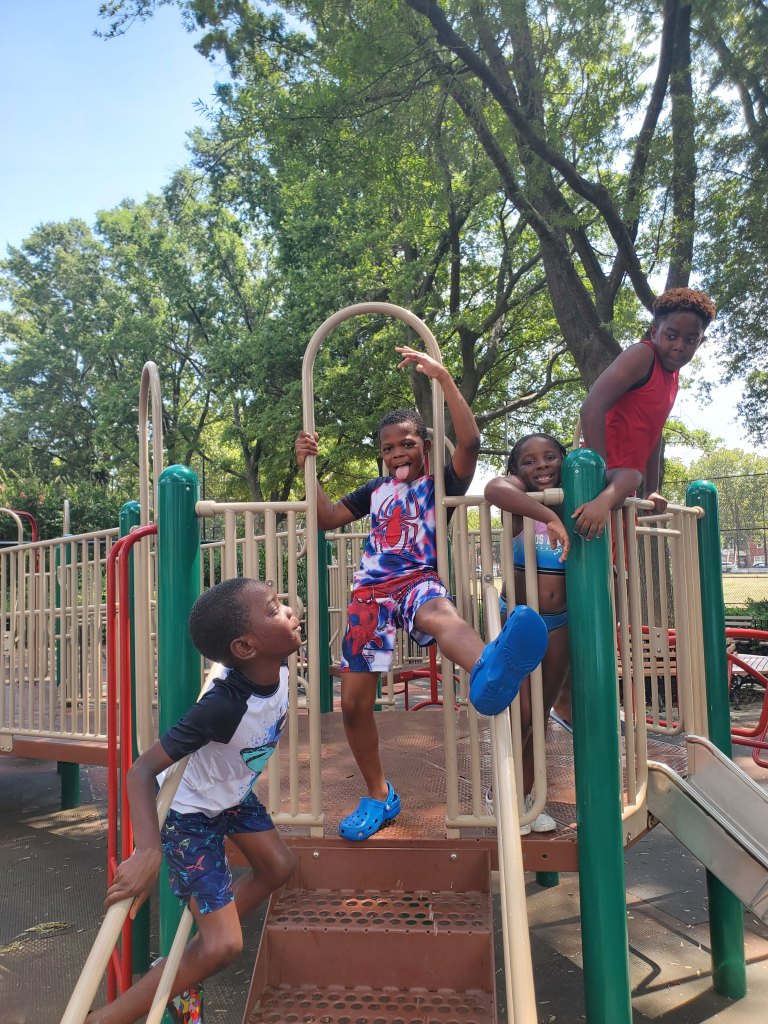
Our summer camp and daily activities include structured social play that encourages children to interact with their peers in meaningful ways. Whether it’s through group games, cooperative learning exercises, or collaborative arts and crafts, our activities promote teamwork, communication, and problem-solving. These experiences help children build strong friendships while learning essential social skills.
Cultural Immersion and Social Connections
As part of our play-based curriculum, we offer cultural experiences that teach children about the rich heritage of Barbados. Learning about Bajan culture through music, art, and storytelling not only enriches children’s understanding of the world but also provides opportunities to bond with peers over shared experiences. Cultural immersion creates a sense of community and belonging, which strengthens friendships.
Safe, Interactive Spaces
The physical environment at Camp Medford is designed to be both interactive and safe, allowing children to explore, create, and engage with others freely. Our environment encourages children to build connections with their peers while also learning important emotional and social skills.
5. Encouraging Positive Friendships at Home
As a parent, you can play an active role in fostering your child’s social development by encouraging positive friendships at home and in your community.
Organizing Playdates
One of the best ways to encourage friendships outside of a structured environment is by organizing playdates. Invite your child’s friends over for group activities like arts and crafts, outdoor games, or collaborative building projects. These activities help children bond over shared interests and provide opportunities for creative social interactions.
Discussing Healthy Friendships
Talk to your child about the qualities that make a good friend, such as kindness, trust, and respect. Encourage your child to look for these qualities in their friends and to offer the same in return. Discuss how to handle situations when conflicts arise and how to be a good friend to others.
Modeling Positive Social Behaviors
Children learn by example, so it’s important to model positive social behaviors. Show your child how to handle social situations with respect, kindness, and empathy. Whether it’s interacting with family members, friends, or neighbors, the way you model social behavior will influence your child’s approach to their own friendships.
6. Benefits of Strong Friendships for Long-Term Success
Building strong friendships during the ages of 7 to 9 lays the foundation for emotional resilience and success in later years.
Boosting Confidence
Children with strong friendships feel more confident in themselves and their abilities. They are more likely to take risks, try new things, and approach challenges with a positive attitude. Friendships provide a support network that helps children navigate difficult situations with confidence.
Learning Cooperation and Teamwork
Friendships teach children how to work together, share ideas, and achieve common goals. These skills are valuable not only in social settings but also in academic and professional environments later in life. Learning to cooperate and collaborate early on sets the stage for future success in group settings.
Emotional Resilience
Friendships provide emotional support during tough times, helping children develop resilience. Knowing that they have friends to rely on gives children the strength to cope with challenges, whether they’re related to school, home life, or personal struggles.
Friendship
Friendships are one of the most important aspects of a child’s social-emotional development. The years between 7 and 9 are critical for building strong relationships that will last a lifetime. At Camp Medford, we create a supportive, fun, and interactive environment where children can develop the skills they need to build lasting friendships while also learning about themselves and others.
Want your child to thrive in a social learning environment? Let’s help them grow through collaborative play at our summer camp! Sign up today and give your child the opportunity to make lasting friendships while learning and having fun.
Disclaimer: This content is provided freely by Educational Professionals with expertise in early childhood development and play-based learning.


