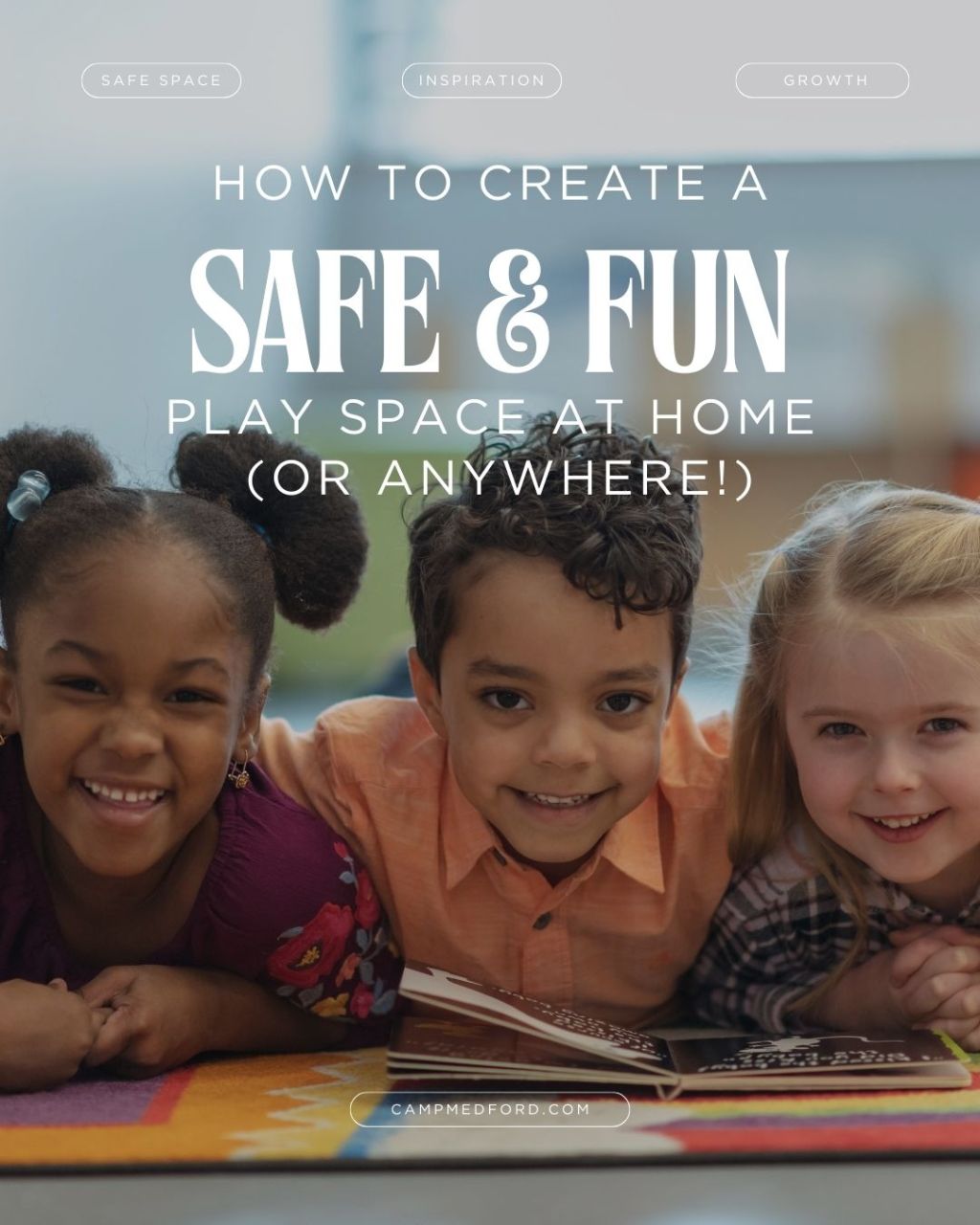
Supporting your child’s growth, learning, and confidence starts with safe, intentional spaces—wherever you are.
At Children Learning Playground, we believe that play is more than just a way to pass the time—it’s a powerful tool for growth, discovery, and connection. But for children to truly thrive, play needs one essential ingredient: safety.
Whether you’re a local family, an expat making Barbados your new home, or visiting for a few sunny months, this guide will help you create safe, enriching play spaces at home or in your neighborhood. These aren’t just spots to keep kids entertained. They’re opportunities for meaningful learning, confidence building, and cultural connection.
🧠 Disclaimer: This blog post is provided freely by educational professionals to support parents and caregivers. For personalized advice, we recommend consulting a certified early childhood development expert.
A Safe Space Is a Learning Space
Children learn best when they feel secure—in their surroundings and in themselves. While structured school days offer value, they’re often limited in their ability to meet every child’s individual developmental needs.
That’s why what happens outside of school—during after-school hours, weekends, and school breaks—matters just as much. Home and neighborhood environments can offer freedom, personalization, and joyful discovery in ways a classroom sometimes can’t.
And the best part? You don’t need a designer playroom or a huge backyard. Just a little intention, love, and a few key strategies can go a long way.
What Makes a Play Space “Safe”? The Three Pillars Every Parent Should Know
Creating a safe play space means thinking beyond bubble wrap and child gates. True safety is layered—physical, cognitive, and emotional.
🧠 Cognitive Safety: Supporting Developmental Stages
A safe space is one that’s age-appropriate and developmentally aligned. For a 2-year-old, that might mean a sensory bin filled with dry rice and measuring cups. For an 8-year-old, it could be a quiet corner for building, reading, or role play.
The key is not overstimulating with too many toys or complex instructions. Instead, aim for clear, simple materials that let kids explore at their own level—encouraging independence while reducing frustration.
🧍 Physical Safety: Creating a “Yes” Environment
Whether it’s an indoor corner or a backyard nook, the best play spaces are those where kids can move freely without constant correction. Use soft rugs or foam mats, secure heavy furniture, and remove choking hazards or sharp objects.
In outdoor spaces, scout the area for potential risks—like loose gravel, broken equipment, or busy roads nearby—and set clear boundaries with cones, cushions, or visual markers.
💗 Emotional Safety: The Secret to Confident Play
Children flourish when they know they’re loved, accepted, and free to express themselves. Make your play space emotionally safe by:
- Encouraging mistakes as part of learning
- Using nurturing, supportive language
- Creating routines that offer predictability
- Displaying their artwork or creations with pride
This kind of environment invites risk-taking, creativity, and resilience.
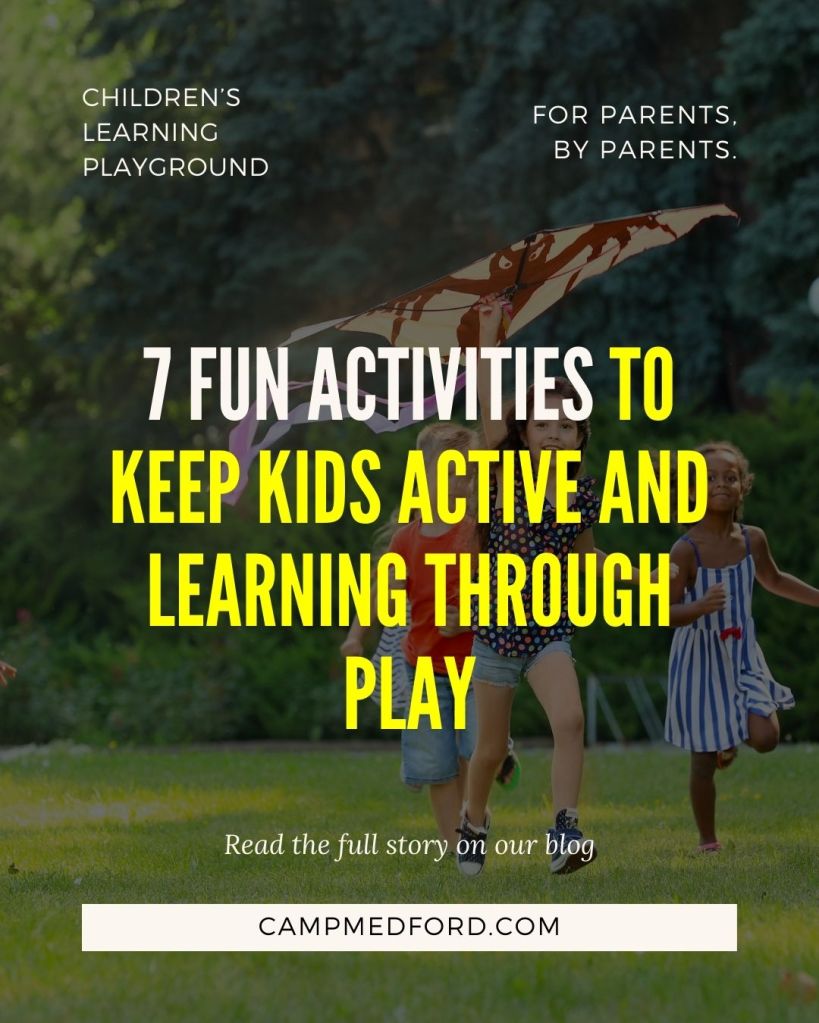
Supervision That Supports, Not Smothers
Parents often ask: “How do I keep my child safe without hovering?” The answer lies in creating “independent but connected” supervision.
Here’s how:
- 👁 Check-ins over hovering – Let children lead their own play while you stay visually present and engaged.
- 🎧 Set up parallel play – If you’re working or relaxing nearby, give them their own “station” where they can play within sight.
- 📢 Use clear, consistent rules – Establish boundaries gently but firmly. When kids know the limits, they feel safer to explore.
By shifting from control to connection, you create space for kids to grow—and space for you to breathe.
How to Build a Safe Play Zone at Home (Even in Small Spaces)
Creating an enriching environment at home doesn’t require a Pinterest-worthy setup. It just requires a bit of planning and a lot of heart.
Here’s how to start:
- Pick a corner or nook with natural light
- Lay down a play mat or rug to define the space
- Add open bins with 5–7 toys, rotated weekly
- Include sensory items like water beads, soft fabrics, or sand trays
- Hang art or nature objects for visual interest
- Place a cozy pillow or cushion for calm-down moments
🪄 Pro Tip: Let your child help set up their space—it gives them ownership and pride.
Safe Play in the Neighborhood: Tips for Community Exploration
For expat and visiting families, play can be a gateway to discovering Barbados. Whether at a local beach, community park, or cultural center, you can keep things safe while creating unforgettable memories.
When exploring community spaces:
- ✅ Visit during daylight hours
- ✅ Choose areas with enclosed fencing or natural boundaries
- ✅ Bring essentials: sunscreen, first aid kit, hand wipes, reusable water bottle
- ✅ Watch for age-appropriate equipment and avoid overcrowded spaces
- ✅ Set visual “safe zones” with cones, beach towels, or bright bags
Even better? Create a neighborhood play network with other parents. Take turns supervising, share play materials, or host backyard pop-up camps together. It builds connection for kids and caregivers.
Make It Meaningful: Infuse Culture, Art, and Nature
In Barbados, play isn’t just fun—it’s cultural, sensory, and soul-deep. You can infuse meaningful experiences into your child’s play that deepen their connection to the island.
Culturally-Enriched Play Ideas:
- 🎨 Paint with sand, shells, and driftwood
- 🥁 Set up a music circle with steel pan beats or calypso songs
- 📖 Read Bajan folktales using puppets or role-play costumes
- 🌴 Go on a nature scavenger hunt in the garden or beach
- 💃 Host a Caribbean rhythm dance-off in your living room
These aren’t just cute ideas—they build vocabulary, coordination, emotional resilience, and global awareness. That’s the magic of multi-sensory play.
Personalized Play = Powerful Growth
Every child is different—and the best play spaces honor that. When you tailor the environment to your child’s learning style, energy level, and emotional needs, you unlock real progress.
Some children need:
- 🎨 Art corners to express emotions
- 🧩 Puzzles or blocks to build focus
- 🧘 A calm space to self-regulate
- 🗣 Storytelling circles to build language skills
By observing and adjusting, you become the expert in your child’s development—one play moment at a time.
Breathe Easier, Grow Freer
Whether you’re at home, at the park, or exploring a new country, you have the power to create a safe, inspiring space for your child. With intention, play becomes more than fun—it becomes a tool for confidence, creativity, and connection.
We see you, parents. And we’re here to support your journey.
✅ Call to Action
Join Camp Medford and discover how we can support your child’s learning journey!
Whether you’re seeking expert programs, inspiration for home play, or a safe space to grow, we’re here for your family.


