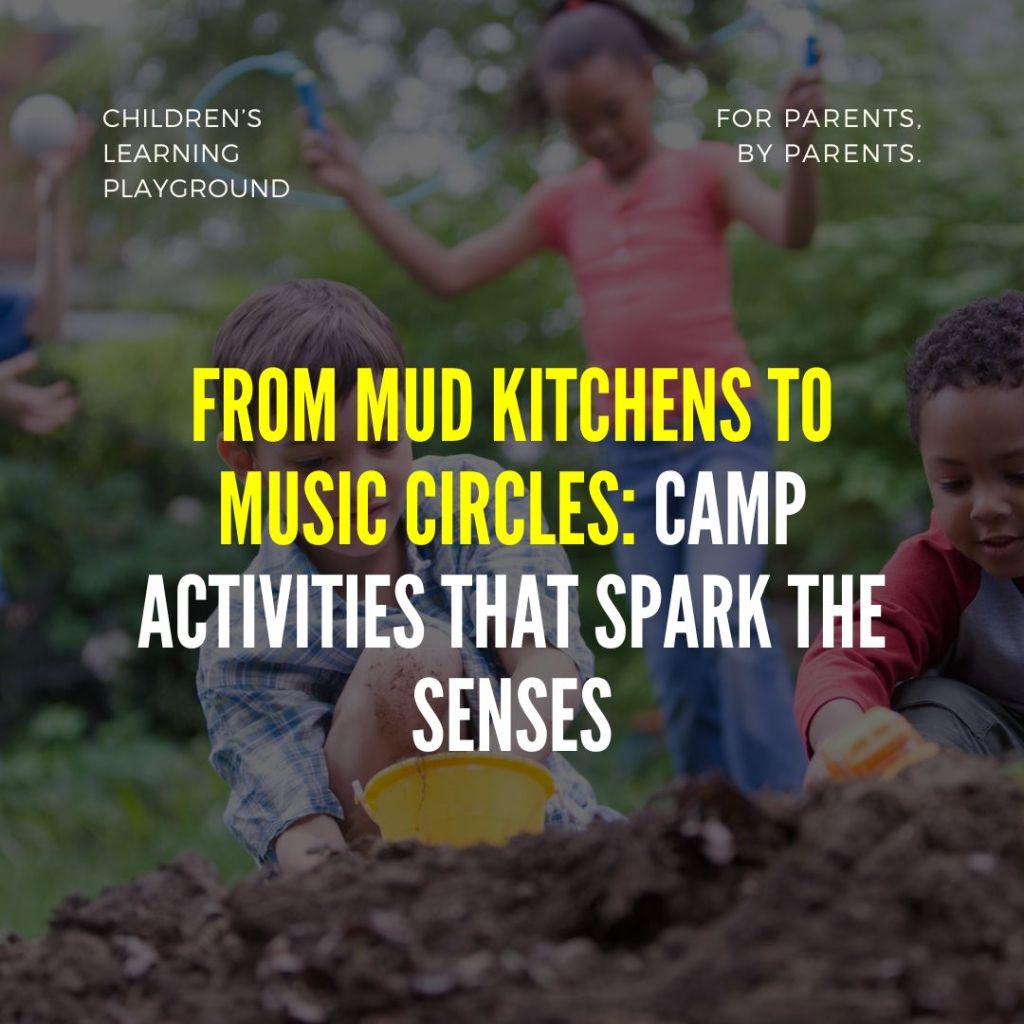
A joyful roundup of our favorite multi-sensory stations that keep kids engaged, excited, and learning through every sense.
Reimagining Learning: What Happens When We Follow a Child’s Senses?
If you’ve ever watched your child completely disappear into a world of make-believe—stirring “stew” in a mud pot, or tapping out a beat on the kitchen table—you already know: children don’t need a classroom to learn. They need space. They need curiosity. And most of all, they need you.
As parents, we often focus on structured activities, workbooks, or screen time that promises academic results. But what if the best learning moments are the ones where your child is barefoot in the garden, covered in flour, or dancing like no one’s watching?
This blog is a celebration of play-based, sensory-rich experiences you can do at home or while traveling that not only excite your child but help them learn deeply and joyfully. These activities aren’t just “fun extras”—they’re powerful tools for connection, growth, and discovery.
Mud Kitchens: Why Messy Play is a Brain Booster
You don’t need a fancy setup to create a mud kitchen. An old bowl, some dirt, a spoon, and your child’s imagination is more than enough.
Invite your child to “cook” with leaves, water, flour, or sand. Let them serve you a mud pie topped with petals or mix leaf stew with a stick. As simple as it seems, this kind of unstructured outdoor play builds fine motor skills, problem-solving, and language development. They’re experimenting, testing ideas, and creating their own sensory world.
And don’t worry about the mess. That mess is where the learning lives.
Try this: Set up a sensory cooking station in your backyard or balcony using natural materials, old utensils, and containers. Let your child take the lead.

Music Circles: Create Rhythm, Release Emotion
Children are naturally drawn to rhythm. Whether they’re drumming on a pot or clapping along to a beat, music is a full-body learning experience that helps them express emotions, build memory, and feel joy.
Make a music circle at home with pots, shakers, a Bluetooth speaker, or even your voice. Add in clapping games, dance breaks, and call-and-response rhythms. If you’re traveling, use items around your Airbnb or hotel—cups, spoons, or a beach bucket become instant instruments.
Why it works: Music helps kids regulate emotions, process sound patterns for speech development, and learn timing and coordination. Even a five-minute jam session can change the mood in your home.
Try this: Create a “family rhythm circle” where everyone chooses an object to play. Set a timer for 10 minutes and let your child lead the beat.
Taste & Culture: Learning Through Food and Flavor
Cooking together is one of the easiest and most meaningful ways to connect with your child and your surroundings. Whether you’re living abroad or just trying a new cuisine at home, involve your child in the process—from washing produce to mashing, mixing, and tasting.
Let them peel a banana, squeeze lime over watermelon, or sprinkle cinnamon on sweet potatoes. Each moment invites them to explore new textures, learn steps, and take pride in creating something.
This doesn’t just build kitchen skills—it expands their palate and creates a safe space to try new things.
Try this: Choose one local or cultural dish to prepare with your child each week. Keep it simple and talk about where the ingredients come from and why they’re special.
Texture Walls and Sensory Corners: Calming Exploration for Curious Hands
Not every child wants to talk, move, or sing right away. Some children need quiet sensory input to stay calm and connected. You can create a texture wall or sensory corner at home using things you already have—soft scarves, bumpy cardboard, smooth stones, fluffy sponges, or foil.
Let your child explore with their hands. You might be surprised how long they stay engaged. It’s not about doing something “productive”—it’s about giving their brain the sensory input it craves.
Why it works: Tactile play supports emotional regulation, attention span, and even language development. It’s especially helpful for children who need help settling their nervous systems.
Try this: Fill a box with different textures and materials. Invite your child to explore and describe what they feel—rough, cold, squishy, soft, etc.
Storytelling & Pretend Play: Building Emotional Intelligence Through Imagination
Children love stories—but they love telling them even more. Pretend play is how kids make sense of the world. When they play doctor, chef, or explorer, they’re processing emotions, practicing communication, and stepping into other perspectives.
At home, you can turn everyday objects into props: a blanket becomes a cape, a spoon becomes a microphone, a cardboard box becomes a ship. Encourage your child to act out a story or invent a character. Even better, join them.
Try this: Set up a “story basket” with costumes, fabric scraps, and puppets. Start a story and let your child finish it—or act it out together with different roles.
Why Sensory Play is Real Learning
Sensory play isn’t just about keeping kids busy. It’s about helping their brains and bodies grow together. When kids are allowed to touch, taste, build, and move, they’re forming deeper neural pathways, building resilience, and learning how to navigate the world.
They’re also gaining confidence, creativity, and connection—especially when you’re part of the experience with them.
So the next time your child asks if they can “make a potion” in the backyard or dance around the living room, say yes. You’re not just playing. You’re planting seeds for lifelong learning.
You Don’t Need to Be a Teacher to Teach
You don’t need special training, a Pinterest-worthy setup, or expensive materials. You just need curiosity, time, and a willingness to say yes to the mess.
The most meaningful learning often comes from shared moments—making music, tasting something new, or building something out of nothing. Through sensory play, you’re giving your child the chance to connect with their world—and with you.
✨ Want more inspiration? Follow us for weekly play-based ideas that help your child grow with confidence, creativity, and joy.
Disclaimer:
This content is provided freely by Educational Professionals for informational purposes only.


