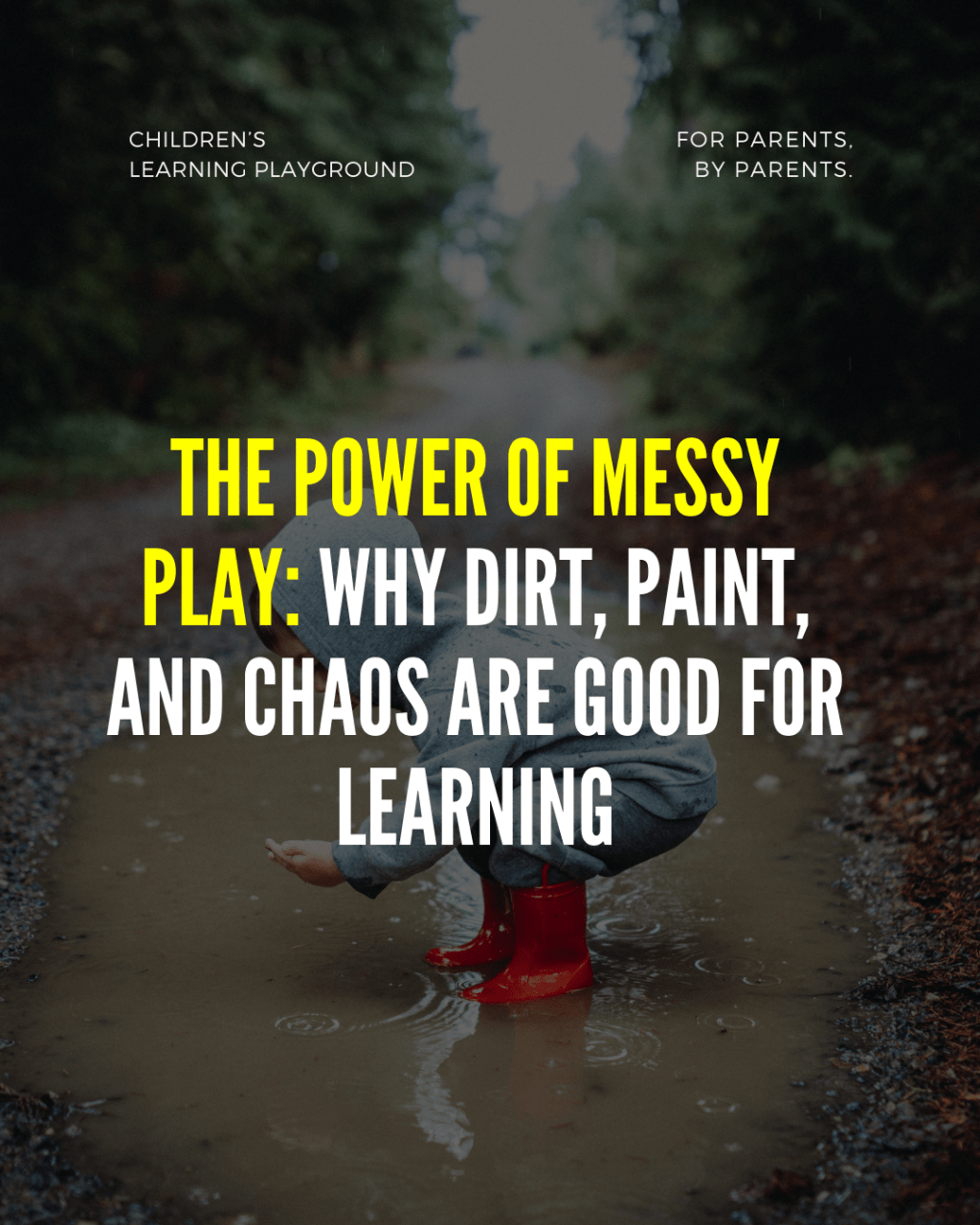
Written from the perspective of a parent and early childhood educator
Why Messy Play Matters More Than Ever
As a parent and early childhood educator, I’ve come to appreciate something that many of us are instinctively hesitant about: the mess. Dirt under fingernails, flour on the kitchen floor, paint smeared across cheeks—these aren’t signs of chaos; they’re signs of growth. Messy play is more than a way to pass time—it’s a core tool in childhood learning, especially for kids aged 2–11. When children engage with the world using all their senses, their brains light up with possibility. In fact, the most meaningful learning often happens when we step back and let the mess take over.
Today’s classrooms and structured activities sometimes leave little room for this kind of discovery. As a result, children miss out on opportunities to build creativity, regulate their emotions, and learn by doing. For parents—especially those navigating new spaces as expats or travelers—understanding and embracing messy play can be transformative.
What Is Messy Play (And Why It’s More Than a Cleanup Job)
Messy play refers to activities that engage multiple senses and don’t have a predetermined outcome. There’s no “wrong” way to mix shaving cream and food coloring, just as there’s no rule about how to mold wet sand into art. What matters is that children are making their own decisions, following their curiosity, and learning through touch, smell, sound, and sight.
Here are a few examples of classic messy play activities:
- Finger painting with homemade edible paint
- Mud kitchen cooking with pots, leaves, and dirt
- Ice cube melting with salt and color
- Sensory bins filled with rice, beans, or pasta
- Sand and water tables
- Clay sculpting and pottery play
- Nature-based art using leaves, petals, and twigs
These kinds of activities activate parts of the brain responsible for motor planning, executive function, and problem-solving. The best part? Your child is learning and they don’t even realize it.
The Developmental Benefits You Don’t See Right Away
When your toddler is scooping goop with glee, it might not look like “learning.” But that mess is building fine motor control, hand-eye coordination, and early writing skills. For older children, messy play invites experimentation. They begin to make predictions (“What happens if I add more water?”), solve problems (“This tower keeps falling—how can I fix it?”), and develop patience and resilience.
Here’s a breakdown of the deeper benefits:
- Cognitive Growth: Understanding cause and effect, building logic, and developing early math and science skills.
- Language Development: Children narrate their actions and ask questions, expanding vocabulary naturally.
- Emotional Regulation: Messy play gives children a safe way to release big feelings—whether through pounding dough or smearing paint.
- Social Skills: Working alongside others teaches cooperation, negotiation, and turn-taking.
One child I worked with was extremely shy and sensitive to texture. Over the course of a few weeks of sand and shaving cream play, they began to smile, talk more, and eventually became the leader of the group activity. That transformation didn’t come from worksheets—it came from the freedom to explore on their terms.
Why It’s Especially Important for Expats, Travelers, and Remote Working Families
Families who are navigating change—whether moving abroad, traveling, or adapting to a new routine—often find their children need extra support to feel grounded. Messy play is an incredible equalizer. Regardless of the country or culture, kids understand mud. They understand color. They understand pouring and splashing.
This type of play helps children:
- Feel at home in unfamiliar spaces
- Cope with transitions and reduce anxiety
- Meet and bond with other kids through shared experiences
- Engage meaningfully with new environments
It’s also an easy way for parents to connect with their kids. You don’t need expensive toys—just time, patience, and a willingness to join in the fun. Whether you’re in a backyard in Barbados or on the go as a remote working family, sensory-rich play gives your child stability and joy.
Cultural Learning Through Creative Mess
One of the most beautiful things about messy play is its ability to introduce children to culture through hands-on learning. In Barbados, we often use natural elements—like sand, coral, palm leaves, and sugarcane fibers—to create unique crafts that tell a story. Cooking local dishes, painting to the beat of Caribbean music, or making natural dyes from fruits opens up deep conversations about heritage, geography, and diversity.
Try some of these culturally inspired messy play activities:
- Mixing flour and coconut oil to make “beach dough”
- Creating art with sea salt and watercolor on brown paper
- Playing steel pan music while kids paint or draw freely
- Painting with brushes made from palm fronds and feathers
These are more than just fun projects—they are gateways to cultural understanding and self-expression.
How to Embrace the Mess Without the Stress: Tips for Parents
Let’s be honest: embracing the mess doesn’t always come naturally. As adults, we’re wired to keep things neat. But letting go of perfection unlocks real magic for our kids—and ourselves.
Here are a few simple ways to keep messy play manageable:
- Create a Messy Zone: Set up a designated area with drop cloths or towels, ideally outdoors or in a tiled area.
- Keep Cleanup Tools Handy: Have wipes, towels, and a “messy bin” nearby with old clothes and aprons.
- Let Kids Help with Cleanup: Turn cleanup into a fun routine—they’ll learn sequencing, responsibility, and teamwork.
- Use Washable Materials: Stick to kid-safe paints, edible doughs, and easy-to-clean supplies.
- Embrace the Learning Mindset: When your child makes a mess, ask “What did you discover?” instead of “Why did you do that?”
Remember: mess is not the enemy. It’s the canvas where creativity and learning thrive.
What to Look for in a Play-Based Learning Program
If you’re seeking structured experiences that honor messy play, it’s important to choose programs that understand how children learn best. Look for:
- Daily access to outdoor play and sensory stations
- Educators trained in play-based and child-led learning
- A focus on emotional development, not just academics
- Opportunities for art, music, cultural exploration, and movement
Ask questions during your visit. Observe how the space is set up. Are there materials that invite exploration? Do children seem engaged and free to be themselves? The right environment should feel like an extension of your child’s curiosity—not a replacement for it.
Final Thought: Mess Is the Medium, Not the Problem
In a world that values tidiness, structure, and test scores, messy play is an act of resistance—and an act of love. It says to our children: “You matter just as you are. Your ideas are worth exploring. Your joy is important.”
As a parent and educator, I’ve learned that the best lessons aren’t taught—they’re discovered with muddy hands and wide smiles. So the next time your child asks to paint with their fingers or build a castle out of mashed potatoes, say yes.
Because in that moment, they’re not just making a mess.
They’re making magic.
📣 Join Camp Medford and discover how we can support your child’s learning journey through joyful, play-based exploration in a safe and nurturing environment.
📘 Disclaimer:
This content is provided freely by Educational Professionals and is intended to support parents in making informed decisions about their children’s learning and development.

