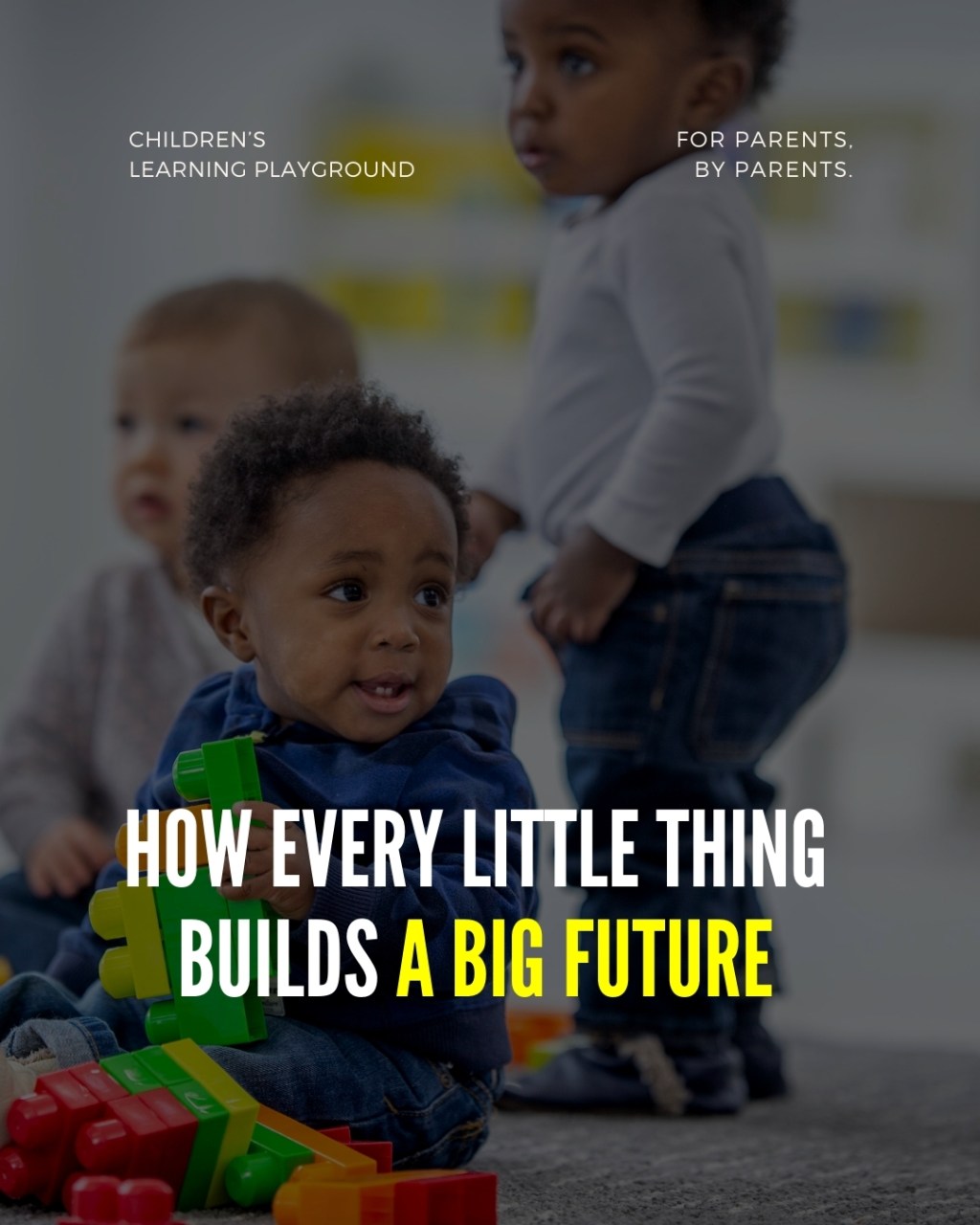
Written from the perspective of a parent and early childhood educator
Big Dreams Start with Small Steps
As an early childhood educator, I’ve come to deeply respect the power of the “little things.” Especially for families balancing school, work, travel, or relocations—it’s easy to feel like we need to do more. More activities, more lessons, more structure. But here’s what I’ve seen time and again, both in the classroom and at home: the small, everyday moments are what shape the foundation of a child’s future.
Whether it’s brushing teeth together, building a tower of blocks, or sharing a bedtime story, these acts—when repeated consistently and with care—are not only comforting, but developmentally essential. Children thrive in environments that allow for repetition, warmth, and discovery, and as parents, we’re doing powerful work even when it doesn’t feel groundbreaking.
The Power of the Seemingly Small: Routines, Rituals, and Repetition
Routines aren’t just for order—they’re scaffolding for growth. When children know what to expect in their daily routines, it helps them feel safe and builds critical thinking skills over time. Take something as simple as getting dressed. To an adult, it’s automatic. But for a child, it builds memory, decision-making, sequencing, and independence.
Daily rituals also have emotional value. That special morning hug, the way you sing during toothbrushing time, or the nightly story you read on the same couch cushion—all these rituals are building blocks for emotional regulation and attachment.
Some ideas to build meaningful routines:
- Create a visual “get ready” chart to help young children follow steps independently.
- Use songs for daily transitions (clean-up time, bedtime, etc.).
- Establish a bedtime “story and snuggle” ritual, even on travel days.
The consistency of these rituals becomes the rhythm of a child’s emotional world.
Tiny Tasks That Grow Big Brains: Play, Chores, and Responsibility
We often underestimate how much children love being helpful. Little jobs like matching socks or watering a plant may seem small to us, but they build a child’s confidence and sense of contribution.
Even better? These small tasks develop critical life skills like sequencing, concentration, and delayed gratification. A 4-year-old who carefully spoons flour into a bowl while baking is learning early math, patience, and fine motor skills—all in one go.
Ideas to involve your child in daily responsibilities:
- Have them match and fold socks or sort laundry by color.
- Let them water plants, feed pets, or help wipe surfaces.
- Set the table together while naming utensils and counting napkins.
It’s not about perfection—it’s about participation. In the process, they’re learning focus, responsibility, and pride in their efforts.
Micro-Moments, Macro-Impact: Conversations, Hugs, and Eye Contact
The most impactful things we give our children don’t cost a thing: our attention, our words, and our presence. A five-minute conversation while preparing lunch can do more for a child’s language and emotional development than an hour-long class.
When we pause, look our children in the eyes, and really listen, we teach them they matter. When we use rich, expressive language in daily conversation, we’re building their vocabulary and emotional literacy at the same time.
Here’s how to maximize these micro-moments:
- Narrate what you’re doing aloud (e.g., “I’m cutting the mango. It’s juicy and orange inside!”).
- Ask open-ended questions (“What do you think would happen if…?”).
- Offer affirmations (“I saw how patient you were today. That was kind.”).
Your tone, your words, your hugs—these shape how a child sees themselves and the world.
Play Is Never “Just Play”: The Learning Behind the Laughter
Children learn best when they play. It’s how they test ideas, express emotions, and build cognitive and motor skills. Unfortunately, play is often undervalued—especially unstructured, messy, or “chaotic” play. But it’s in those moments that children take the biggest developmental leaps.
What seems like a simple game of dress-up is actually practicing storytelling, role play, and empathy. A tower of blocks? That’s physics, engineering, and spatial reasoning.
High-impact play activities for home or travel:
- Dress-up play with scarves, hats, and themed props (empathy and imagination)
- Sensory bins with rice, beans, or water beads (fine motor and sensory development)
- Building blocks and Lego (problem-solving and STEM thinking)
- Water play with cups, spoons, and containers (science and volume)
Letting your child lead during playtime supports autonomy, confidence, and creativity.
Every Culture-Rich Moment Adds Depth to Your Child’s Identity
Incorporating cultural experiences into your child’s day doesn’t need to be complex or formal. Small acts—trying a new food, listening to a different genre of music, or dancing to a traditional rhythm—can open your child’s world and strengthen their identity.
This is especially important for expat families or those traveling with children. It helps kids feel rooted while also developing an appreciation for diversity.
Ideas to infuse culture into daily learning:
- Cook a local dish together and talk about the ingredients’ origins.
- Play Caribbean soca or reggae music while painting or dancing.
- Explore folktales from different regions during bedtime stories.
When children grow up seeing the beauty in different cultures, they grow into more open-minded, confident, and connected individuals.
Let the Long Game Guide You: Why Patience Pays Off
As parents, we don’t always see the results right away. You may spend months repeating the same morning routine or working through tantrums, wondering if it’s making a difference. But trust me—it is.
A child who once needed help with every step now confidently packs their bag. The child who once avoided puzzles now builds with ease. Growth doesn’t happen in big leaps; it happens quietly, in layers, over time.
Your love, your presence, your patience—it all adds up. These little things? They’re building something big.
Final Thought: You’re Building a Legacy—One Small Moment at a Time
The truth is, children won’t remember every detail of what we did. But they’ll remember how we made them feel. Safe. Heard. Valued.
So the next time you find yourself reading the same book for the tenth time or listening to your child’s imaginative story that has no end—know this: you’re investing in their future. And that future is bright because of every little thing you’ve done.
📣 Join Camp Medford and discover how we can support your child’s learning journey—through every giggle, mess, and meaningful moment.
Disclaimer:
This content is provided freely by Educational Professionals and is intended to support parents in making informed decisions about their children’s learning and development.

