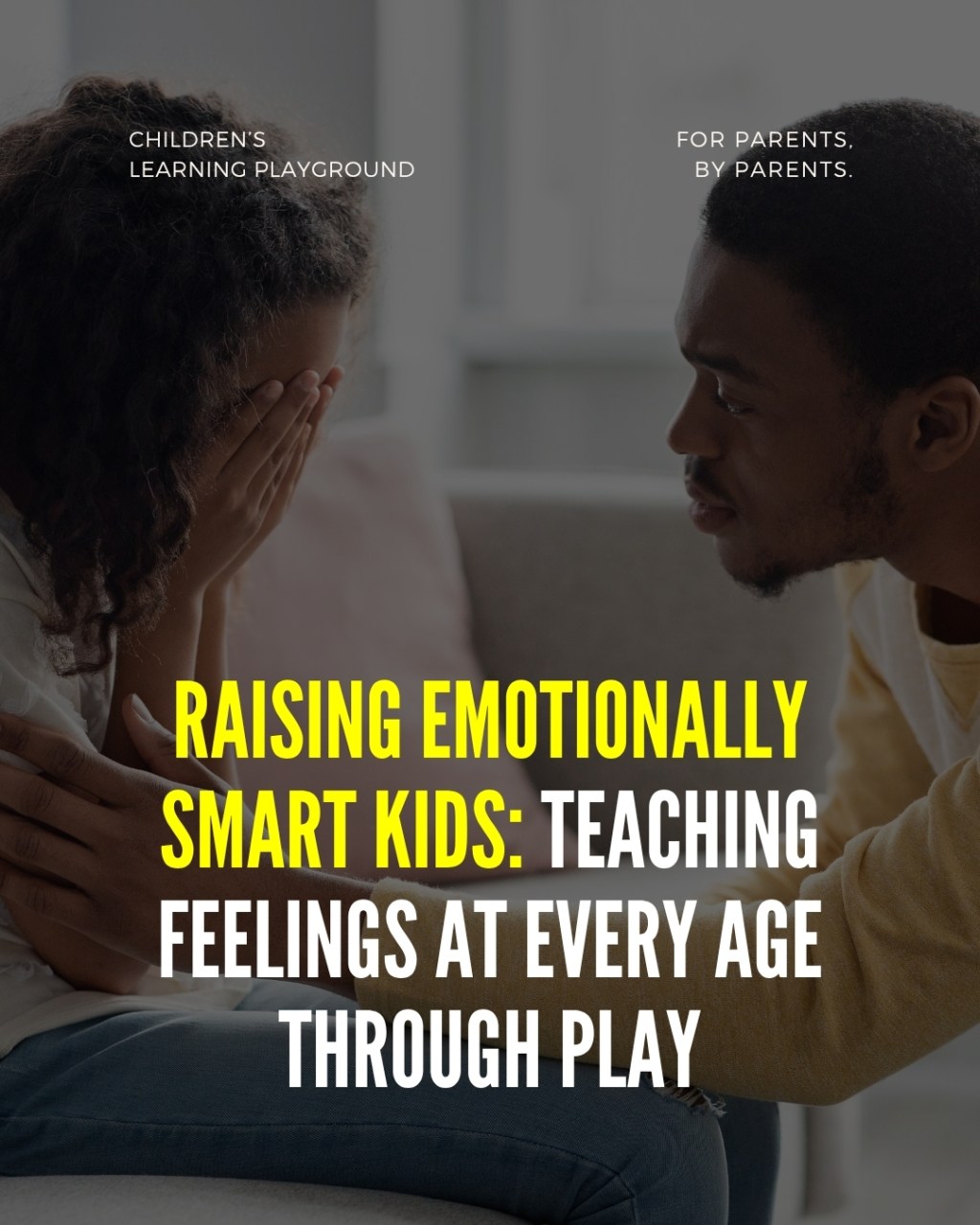
As a parent and educator, I’ve seen firsthand how a child’s emotional world shapes everything—from friendships to learning habits, from resilience to kindness. The earlier we teach children to name, understand, and manage their emotions, the more grounded and confident they become. Emotional intelligence, or EQ, isn’t just a buzzword, it’s a lifelong toolkit for success.
And the best part? You don’t need to wait for a classroom setting to start building that toolkit. Emotional learning begins at home, and it flourishes through everyday play.
Why Emotional Intelligence Is Foundational
Research shows that kids with higher emotional intelligence perform better academically, show stronger social skills, and cope more effectively with stress. But the development of EQ isn’t automatic, it needs nurturing. Traditional schooling often doesn’t have the time or flexibility to provide personalized emotional development. That’s where we, as parents and caregivers, come in.
Whether you’re on the beach in Barbados or managing bedtime in a busy city, you can guide your child toward emotional literacy through play, conversation, and modeling.
Understanding Emotions at Every Stage
Toddlers (2–4): At this age, children experience intense emotions but lack the language to express them. Meltdowns are often their way of saying, “I’m overwhelmed!” This is the best stage to start labeling emotions for them, “You’re sad because your toy broke,” or “You’re happy because we’re playing outside.”
Young Children (5–7): Kids in this range are beginning to understand that they can feel two things at once excitement and nervousness, for example. They’re more aware of others’ emotions too, making it a great time to introduce books, group play, and role-playing to deepen their emotional vocabulary.
Older Children (8–11): Emotional regulation and self-reflection become possible. These kids can talk about their feelings, write about them, and even problem-solve socially. It’s also a prime time to teach them how to pause and choose a response rather than react impulsively.
Tools to Teach Feelings Through Play
1. Emotion Dice (Ages 2–5):
Create a soft cube with faces showing simple emojis happy, sad, angry, excited, tired, scared. During play, let your child roll the dice and act out or talk about the emotion it lands on. This game builds familiarity with emotional vocabulary and gives young children a safe space to explore big feelings.
2. Feelings Charades (Ages 5–8):
Like regular charades, but focused on feelings. One person acts out an emotion, and the others guess what it is. You’ll be surprised how much this helps children understand facial expressions, tone of voice, and body language.
3. Mood Journals & Emoji Trackers (Ages 6–11):
Encourage daily reflections using simple visuals. Older kids can write a sentence or two about what made them feel a certain way. This helps with emotional regulation, pattern recognition, and self-expression.
4. Cultural Storytelling & Music (All Ages):
Use folk tales, music, and stories from Barbados and other cultures to explore themes like kindness, bravery, jealousy, and community. Children naturally empathize with characters and can better understand emotions when they see them play out in stories.
Creating a Safe Space for Emotional Expression
Children can only explore and express emotions when they feel safe. A safe learning environment for kids is one where their emotional experiences are validated, not dismissed.
Start by creating routines: consistent wake-up times, mealtimes, and bedtimes help children feel secure. Build in quiet corners where they can go when feeling overwhelmed. These sensory-friendly zones aren’t punishments they’re tools to help them reset.
Most importantly, model co-regulation. If your child is frustrated, sit with them. Breathe with them. Say, “Let’s calm down together.” Over time, they’ll learn to do it themselves.
Emotions and Culture: Helping Kids Understand Themselves & Others
Teaching emotions isn’t only about introspection it’s also about understanding others. Cultural experiences offer powerful opportunities for empathy.
Barbados, with its rich traditions, food, festivals, and music, presents families with moments to talk about differences and similarities. Why do people dance in Crop Over? How do we feel when we celebrate something big? When your child sees that other families laugh, cry, and celebrate too, they start to build bridges across cultures.
Whether you’re a visiting family or an expat living in Barbados, immersing your child in cultural storytelling, music, and activities helps them appreciate emotional expression beyond their own experience.
How to Model Emotional Intelligence at Home
Children learn what they live. The way we handle emotions teaches them more than any game or activity.
- Narrate Your Feelings: When you’re frustrated or joyful, say it aloud and model how you handle it.
- Praise Effort in Regulation: Instead of saying, “Good girl,” say, “I noticed how you stayed calm even when you were upset. That was really mature.”
- Use Books and Movies: Ask questions like, “How do you think the character felt? What would you do?”
- Normalize Apologies and Repair: Show them it’s okay to make mistakes, and even more powerful to fix them.
When You Need Extra Support
Sometimes, emotional challenges go beyond what we can solve through parenting alone. If your child consistently struggles with extreme emotions, doesn’t respond to calm-down strategies, or seems overwhelmed by social situations, it may be time to talk to a professional.
Many families find that a structured, play-based program like Camp Medford helps children build confidence, social skills, and emotional awareness in a joyful, safe environment. Here, children are guided by educators who understand emotional milestones and tailor activities to support the whole child—mind, heart, and spirit.
Conclusion: Emotions Are the Curriculum
Our children’s emotional worlds matter. When we help them name, understand, and manage their feelings, we’re not just preparing them for school we’re preparing them for life. Through play, cultural exploration, and intentional parenting, emotional learning becomes part of the everyday.
So whether you’re dancing to drums in Barbados or building a mood chart on your fridge, remember: every moment is a chance to help your child grow emotionally smarter.
Join Camp Medford and discover how we can support your child’s learning journey!
Disclaimer:
This content is provided freely by Educational Professionals and is meant to offer practical guidance to parents and caregivers.


