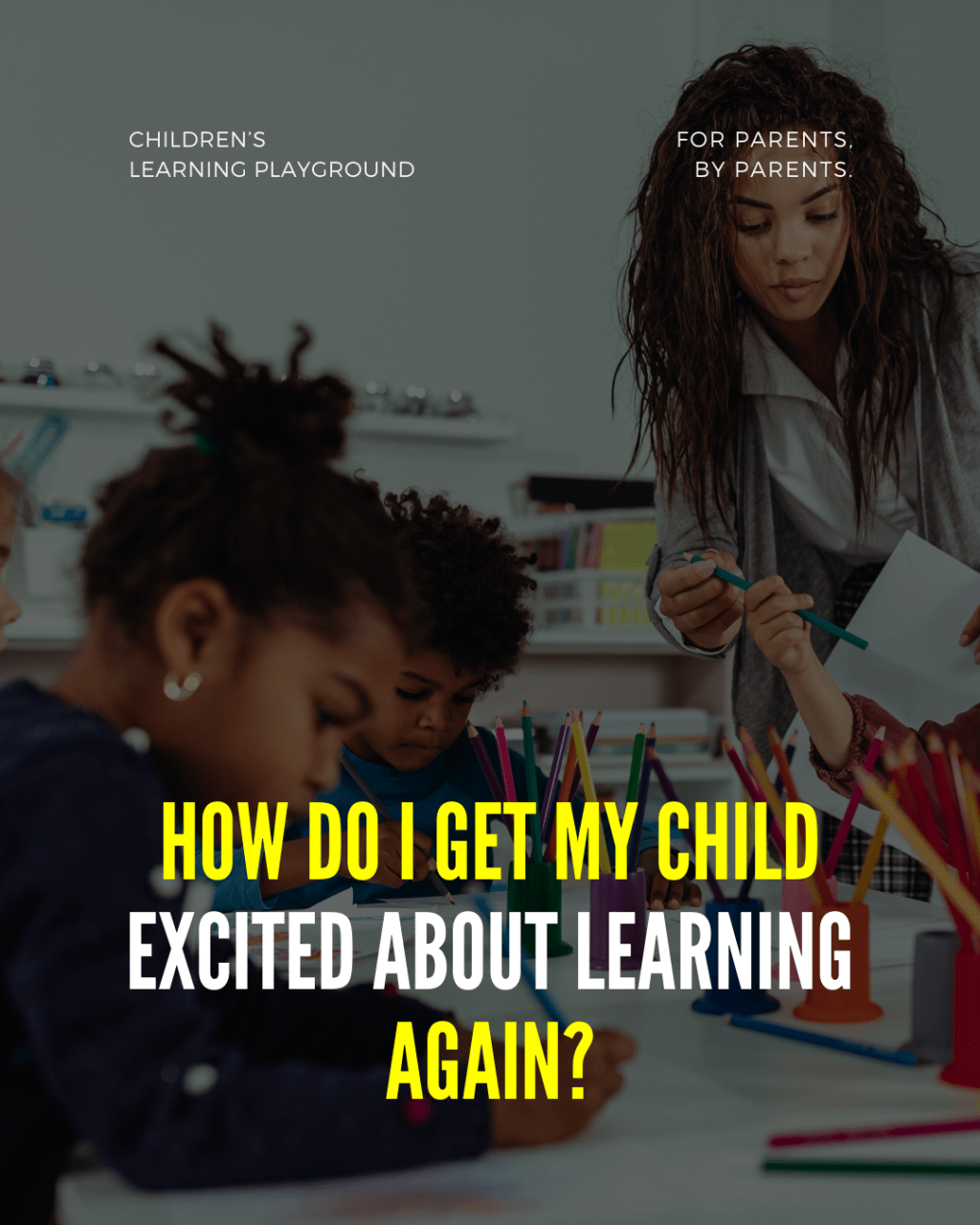
A Parent’s Guide to Reigniting Curiosity Through Play, Personalization, and Culture
If your child once asked endless questions and now sighs at the mention of learning, you’re not alone. Many parents, especially those raising children between ages 2 and 11, reach a point where learning starts to feel like a chore instead of an adventure. This shift can be worrying, frustrating, and even guilt-inducing. The good news? A child’s excitement for learning is rarely gone for good. More often, it’s simply waiting for the right environment, approach, and support to come back to life.
In Barbados, where families value both education and meaningful quality time, parents are increasingly searching for learning experiences that go beyond worksheets and rigid routines. Whether you’re a local family, an expat household, or visiting the island with children, understanding how learning works best for young minds is the first step toward restoring joy and curiosity.
When Learning Starts to Feel Like a Chore
Children are naturally curious. From toddlerhood, they learn by touching, moving, asking, building, and experimenting. When that natural rhythm is interrupted, often by pressure, comparison, or overstimulation, learning can begin to feel disconnected from joy.
This doesn’t mean your child dislikes learning. It often means the way learning is being delivered no longer aligns with how they learn best. When curiosity fades, it’s a signal worth listening to, not something to push through with more pressure.
Why Children Lose Interest in Learning (And Why It’s Not Laziness)
One of the most important things for parents to understand is that disengagement is not a character flaw. It’s usually environmental.
A typical school day, by design, has limits. Large classrooms, standardized pacing, and curriculum demands make it difficult to meet every child’s individual developmental needs. Some children need movement. Others need quiet focus. Some learn best through visuals, while others need hands-on experimentation or social interaction.
Add emotional factors, fatigue, anxiety, lack of autonomy, or fear of “getting it wrong”, and learning can quickly become something children endure rather than enjoy. When a child feels unseen or rushed, enthusiasm drops. What looks like disinterest is often a child telling us they need a different approach.

The Power of Play-Based Learning in Reigniting Curiosity
Play-based learning is not about removing structure or academic value. It’s about how learning happens.
Through play, children explore concepts in ways that feel natural and safe. They test ideas, make mistakes, problem-solve, and build confidence, all without the fear of failure. Research consistently shows that play-based learning supports cognitive development, language skills, creativity, and social-emotional growth, especially in children aged 2–11.
In interactive play spaces for toddlers and older children alike, learning becomes active rather than passive. A child building, role-playing, painting, or moving their body is deeply engaged in learning, even if it doesn’t look like traditional “schoolwork.” When learning feels joyful, curiosity returns on its own.
Why Personalized Learning Makes the Biggest Difference
Every child learns differently, and every child has unique needs, strengths, and gaps. Recognizing this is essential to helping them thrive.
Personalized learning allows educators to observe how a child engages, where they struggle, and what excites them. With this insight, activities can be adjusted to focus on the areas that will bring the greatest results, academically and emotionally.
This approach is especially important for children who feel overlooked in more rigid systems. When learning is tailored, children experience small successes that rebuild confidence. Over time, those wins compound, and learning starts to feel rewarding again.
Personalized attention doesn’t mean isolating a child. It means meeting them where they are and guiding them forward with intention.
How Culture, Creativity, and Environment Shape a Love for Learning
Environment matters more than we often realize. Children learn best in spaces that feel safe, welcoming, and inspiring. This includes both physical spaces and emotional environments.
In Barbados, cultural learning adds a powerful layer to education. Music, movement, storytelling, art, and shared traditions engage multiple senses and help children connect learning to real life. For expat families and tourists, cultural immersion creates memorable experiences that deepen understanding and curiosity. For local children, it reinforces identity, pride, and belonging.
When creativity and culture are woven into learning, children see education as something living and relevant, not abstract or distant.
Simple Ways Parents Can Spark Learning at Home (Without Pressure)
Parents play a vital role in shaping how children feel about learning, but that doesn’t mean turning home into a classroom. In fact, less pressure often leads to better results.
Start by following your child’s interests. If they love animals, build learning around nature, stories, or pretend play. If they enjoy movement, include counting games, rhythm, or dance. Encourage questions instead of rushing to answers, and celebrate effort rather than perfection.
Quality family time, cooking together, reading stories, exploring outdoors, or creating art, builds emotional safety. When children feel secure, they are more open to learning. You don’t need to “teach” constantly. Supporting exploration is more than enough.

What to Look for in a Learning Space That Truly Supports Your Child
When choosing learning environments, camps, or enrichment spaces, parents should look beyond surface-level activities.
A supportive learning space prioritizes safety, trained educators, and intentional play-based learning. It values emotional well-being as much as academic progress. It recognizes children as individuals, not just participants.
For families in Barbados, especially expat households seeking educational camps or interactive play spaces, the most impactful environments are those that combine expertise, structure, creativity, and cultural awareness. These spaces help children reconnect with learning in ways that feel natural and exciting.
Learning Can Feel Good Again
When children feel seen, supported, and safe, curiosity returns, and learning doesn’t need to be forced or feared. With the right balance of play, personalization, and environment, children rediscover the joy of asking questions, trying new things, and growing at their own pace.
Parents don’t need to have all the answers. What matters most is choosing approaches and spaces that respect how children truly learn.
Join Camp Medford and discover how we can support your child’s learning journey!
Disclaimer
This content is provided freely by Educational Professionals and is intended for informational and educational purposes only. It does not replace individualized educational or developmental assessments.


